
Improving your furnace efficiency comes down to a handful of proven habits: regular maintenance, clean filters, sealed ducts, and smart thermostat settings. Done consistently, they lower your Brentwood energy bills and extend the life of your system.
Backed by more than 150 years of combined team experience and trusted by Brentwood homeowners since 2008, Parthenon has helped Middle Tennessee families stay warm for less. Here are ten expert tips that make a real difference.
Key Points
- Schedule regular maintenance and change filters often to protect furnace efficiency.
- Seal ductwork leaks and insulate your home to stop heat from escaping.
- Optimize and program your thermostat to avoid overworking the system.
- A high-AFUE furnace delivers the biggest long-term efficiency and cost savings.
Many homeowners in Brentwood, TN overlook simple steps that can greatly enhance their furnace efficiency. From routine maintenance to upgrading your system, these expert tips help you save on energy bills while staying warm.
Schedule Regular Maintenance to Protect Furnace Efficiency
Regular maintenance is the foundation of furnace efficiency, catching potential issues before they escalate into costly repairs. A well-maintained furnace runs smoothly and provides consistent warmth throughout your home.
Technicians inspect essential components like the blower motor, heat exchanger, and ignition system, and clean key parts to improve airflow and reduce energy consumption. This means lower utility bills and a more comfortable home.
Regular checks also extend your furnace’s lifespan, saving you money on premature replacements. Reach out to a trusted company like Parthenon for furnace maintenance and tune-up service and make certain your furnace is ready for the colder months ahead.
Change Your Air Filter Frequently
Changing your air filter frequently is one of the fastest ways to maintain furnace efficiency and clean indoor air. A clogged or dirty filter restricts airflow, forcing your furnace to work harder, which raises energy bills and invites breakdowns.
Check your filter monthly, especially during peak heating season, and replace it every one to three months depending on the filter type and your home’s air quality. If you have pets or allergies, change it more often.
Using a high-efficiency filter captures more particles and improves air quality. Regular inspections also help identify small problems before they require professional furnace repair.
Seal Ductwork Leaks
Sealing ductwork leaks stops heated air from escaping before it reaches your rooms. Start by identifying leaks, then use the right materials to seal them so your system runs efficiently.
Identify Air Leaks
Ductwork leaks let a significant amount of heated air escape, wasting energy and raising utility bills. To find them effectively, follow these steps:
- Inspect ducts: Look for visible gaps or damage in exposed ductwork.
- Use a smoke pencil: Light one near joints and seams and watch for movement in the smoke.
- Check vent covers: Confirm vent covers are securely attached and undamaged.
- Feel for drafts: Run your hand along duct joints to feel for escaping air.
Use Proper Sealing Materials
Use high-quality materials like mastic sealant or metal tape to seal leaks effectively, and avoid regular duct tape, which deteriorates over time. Clean the area around the leaks first to guarantee a strong bond.
After applying the sealant, inspect your work to confirm no gaps remain. Regularly checking your ductwork saves money and improves heating performance, and a Parthenon professional can handle it for you.
Optimize Thermostat Settings
Optimizing your thermostat is a low-effort way to maximize furnace efficiency. Fine-tuning your settings saves energy and lowers your heating bills.
- Set it and forget it: Keep a consistent temperature, ideally around 68 degrees during the day and lower at night.
- Use programmable features: Set the thermostat to adjust temperatures based on your schedule.
- Avoid extreme adjustments: Make gradual changes instead of cranking the heat.
- Consider zoned heating: Use multiple thermostats for tailored heating and greater efficiency.
An outdated thermostat undercuts every other efficiency step, so a programmable thermostat upgrade is often the easiest win of all.
Insulate Your Home Properly
Proper insulation keeps warm air inside your home where it belongs. Check your walls, attic, and basement for gaps or leaks, and seal them with caulk or weatherstripping to prevent drafts.
Make sure your attic is adequately insulated, since it is one of the most critical areas. Thermal curtains or storm windows enhance insulation further, and insulating hot water pipes minimizes heat loss, helping your furnace work less while keeping your home cozy.
Utilize Ceiling Fans for Air Circulation
Ceiling fans improve furnace efficiency by circulating warm air during colder months. Used correctly, they help you stay comfortable while lowering heating costs.
- Switch direction: Set your ceiling fan to run clockwise to push warm air down.
- Adjust speed: Use a lower speed for a gentle airflow that distributes warmth evenly.
- Use year-round: Make fans part of your winter heating strategy, not just summer cooling.
- Keep fans clean: Dust them regularly for ideal airflow.
Upgrade to a Programmable Thermostat
A programmable thermostat boosts furnace efficiency by matching heat output to your daily schedule. You can lower the heat while you are at work or asleep, then warm the home just before you return.
These devices make adjustments effortless, and many models let you control settings remotely through a smartphone app. Some even track usage and reveal opportunities to save even more.
Invest in a High-Efficiency Furnace
A high-efficiency furnace delivers the biggest long-term gain in furnace efficiency. Better efficiency ratings mean lower utility bills and a smaller environmental impact.
Energy Efficiency Ratings
When evaluating a new furnace, the Annual Fuel Utilization Efficiency (AFUE) rating shows how effectively it converts fuel to heat, and higher ratings mean lower bills. Look for these markers:
- Annual Fuel Utilization Efficiency (AFUE): Measures how efficiently the furnace converts fuel to heat.
- ENERGY STAR certification: Signifies the furnace meets strict efficiency guidelines, as verified by ENERGY STAR.
- Modulating or multi-stage gas valve: Lets the furnace operate at different levels, reducing energy use in milder weather.
Long-Term Cost Savings
A high-AFUE furnace uses less fuel to produce the same heat, translating to lower monthly costs. While the upfront investment is higher, the utility savings quickly offset it, and many models qualify for tax credits and rebates.
Environmental Impact Benefits
A high-efficiency furnace reduces your carbon footprint by burning fuel more completely and using less energy. That means lower emissions, less air pollution, and a more sustainable home. A new high-efficiency furnace installation pays off in comfort and savings for years.
Ensure Proper Ventilation
Proper ventilation keeps your furnace efficient and your indoor air fresh. Check that air vents and registers are unobstructed, since furniture or curtains can hinder performance.
Install exhaust fans in moisture-prone areas like kitchens and bathrooms to balance airflow, and change air filters regularly to maintain peak airflow. Scheduling regular maintenance with a professional HVAC technician keeps your ventilation system working effectively.
Monitor and Adjust Humidity Levels
Balanced humidity helps your furnace work less and your home feel more comfortable. When humidity is too high or too low, your furnace has to work harder, raising energy costs.
- Invest in a hygrometer to measure indoor humidity.
- Use a humidifier or dehumidifier based on your readings.
- Seal leaks and drafts to prevent moisture loss or excess entry.
- Check your furnace filter, since a clean filter helps stabilize humidity.
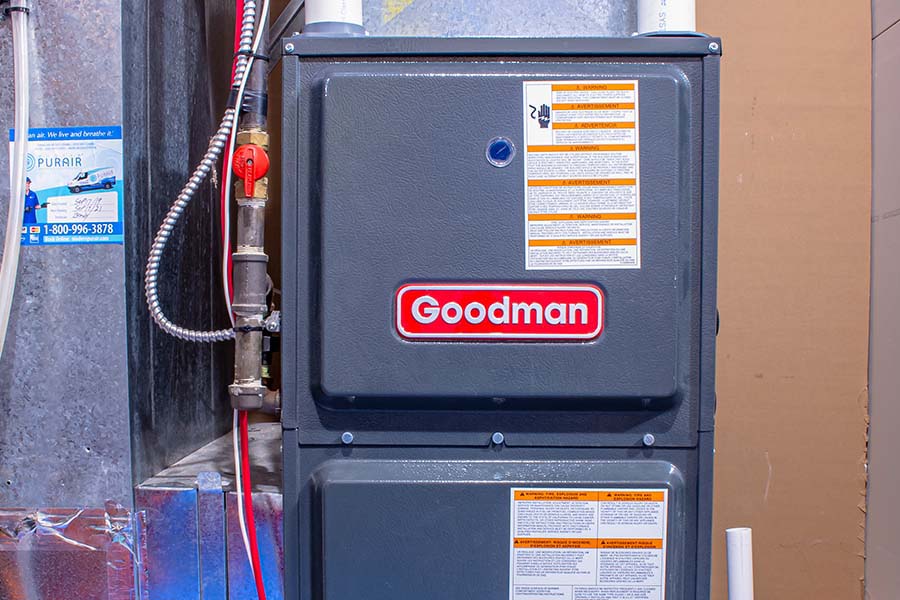
Maximize Your Furnace Efficiency This Winter
Treat your furnace with regular care and it will run efficiently through winter’s chill. Sealing leaks, optimizing settings, and investing in high-efficiency equipment pave the path to real savings and lasting comfort.
Ready to get more from your heating system? Serving Brentwood with expert heating services in Brentwood, Parthenon is here to help. Schedule your appointment today and watch your energy costs come down.
Frequently Asked Questions
What is the fastest way to improve furnace efficiency?
The fastest wins are changing a dirty filter and scheduling professional maintenance. Both restore airflow and let your furnace run without working harder than it needs to, which lowers your bills right away.
Does a programmable thermostat really save money?
Yes. A programmable thermostat lowers heat when you are away or asleep and warms the home before you return, so you stop paying to heat an empty house. Many models also track usage to reveal further savings.
What AFUE rating should I look for in a new furnace?
Look for the highest AFUE rating your budget allows, since a higher number means more of your fuel becomes heat rather than waste. ENERGY STAR certified models meet strict efficiency guidelines and often qualify for rebates.