

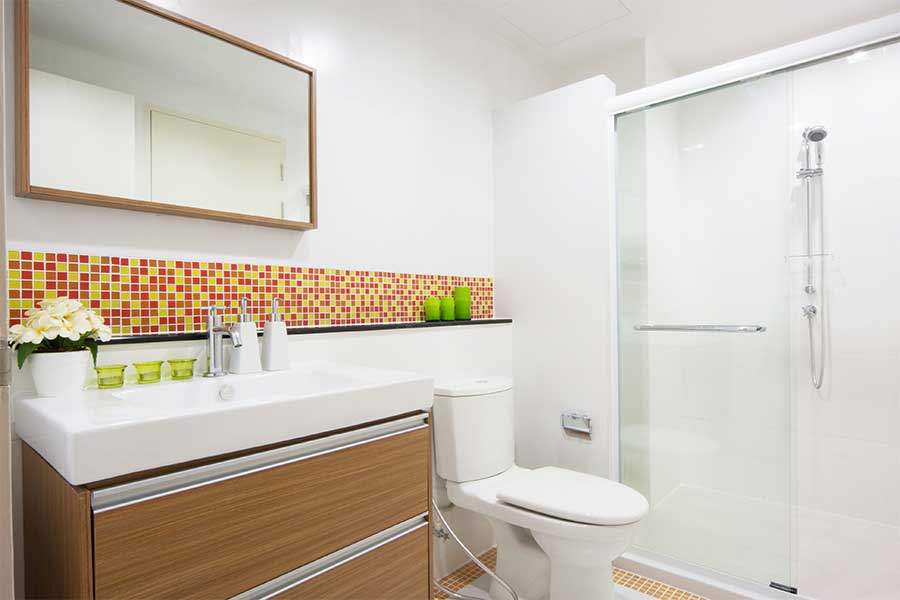
The most common shower problems in Crieve Hall homes are low water pressure, leaks behind tile or in the valve, slow or clogged drains, fluctuating water temperature, and recurring mold or mildew. Low pressure usually traces to mineral buildup or a supply restriction, leaks typically start at failed grout, caulk, or a worn valve seal, and temperature swings often point to the water heater or a failing mixing valve. Each has a distinct cause, and identifying the right one prevents repeated repairs that never quite solve the problem.
Based on what we see in Crieve Hall homes, the neighborhood’s mid-century ranch houses share a common profile: original drain lines, decades of mineral accumulation, and bathrooms that have been partially updated without the plumbing behind the walls being touched.
What Are the Top Shower Issues Homeowners Face?
The most frequent shower complaints are low water pressure, a leaking faucet or valve, inconsistent water temperature, and mold or mildew growth. Each is solvable, but each requires correctly identifying the source first.
Low water pressure is the most common. It typically starts at the showerhead, where mineral scale from Middle Tennessee’s limestone-influenced water gradually restricts the spray openings. When cleaning the showerhead does not restore flow, the restriction is further upstream in the valve or supply line.
A leaking shower valve wastes water continuously and often damages materials behind the wall long before anything is visible in the bathroom. Worn seals and cartridges are the usual cause, and they are wear items rather than defects.
Temperature fluctuation has two typical explanations. A failing mixing valve loses the ability to hold a consistent blend, or the water heater is not delivering steady output because of sediment accumulation or a failing component. Sediment buildup is especially common in Crieve Hall’s older homes, where water heaters have often gone years without being flushed.
Mold and mildew thrive in the warm, humid environment a shower creates, and many of the neighborhood’s original bathrooms have exhaust ventilation that falls short of current standards. Cleaning addresses the growth while the conditions producing it remain.
For persistent issues, particularly those that return after a repair, repairing or replacing worn piping often turns out to be the actual solution, since the fixture is frequently reflecting a problem in the supply system behind it.
How Do You Diagnose a Shower Leak?
Diagnosing a shower leak means checking the visible surfaces first, then the fixture, then working backward toward concealed piping. Shower leaks hide behind tile and inside walls, which is why they cause so much damage before anyone notices them.
Start with what you can see. Water stains or discoloration on the walls or ceiling below the bathroom are strong evidence, and their location narrows the search considerably. In a single-story Crieve Hall ranch, that often means staining in the crawl space rather than a ceiling below, which is worth checking specifically since nobody looks there routinely.
Inspect grout and caulk closely. Cracks, gaps, and missing sections at the joints allow water to pass through the finished surface and into the wall assembly. This is the most common leak source and also the least expensive to correct when caught early.
Turn the shower off and watch for continued dripping. Water that keeps accumulating after the valve is closed indicates the valve itself is not sealing, which is a different repair than a surface problem.
Check the showerhead connection and the tub spout diverter, both of which develop leaks that are easy to mistake for something more serious.
Leaks that remain hidden after these checks require professional assessment. A moisture meter identifies wet areas inside wall assemblies without demolition, and knowing where the water actually is prevents opening the wrong wall. Our licensed technicians handle this regularly for plumbers serving Crieve Hall clients, and identifying the source early is consistently cheaper than repairing the damage that follows from waiting.
What Solves a Clogged Shower Drain?
Clogged shower drains are caused by accumulated hair, soap residue, and mineral scale in the trap and drain line. Clearing the immediate blockage restores flow, but recurring clogs indicate buildup deeper in the line that needs professional attention.
A blockage right at the drain opening is a different situation from one further down the line, and the two feel identical from inside the shower. That is worth knowing before assuming a slow drain is a small thing.
Chemical drain products are worth steering away from in a home of this age. They are hard on older cast iron lines that have already given sixty years of service; they often fail to clear the real blockage, and they leave caustic material sitting in the pipe for whoever works on it next.
Recurring clogs are the more meaningful signal. When a shower drain slows again within weeks of being cleared, the problem is not the hair at the strainer. It is an accumulated buildup coating the interior of the drain line, a partial obstruction further downstream, or in some cases, root intrusion into the sewer lateral. Crieve Hall’s mature tree canopy makes root intrusion a genuine consideration in the neighborhood’s older sections.
Professional drain cleaning clears the full line rather than punching a hole through a blockage, which is why professionally cleared drains stay clear far longer. It also gives a technician the opportunity to assess the condition of the line itself and tell you whether you are managing a maintenance issue or a developing failure.
How Do You Fix Low Water Pressure in a Shower?
Low shower pressure is resolved by clearing mineral buildup from the showerhead, verifying supply valves are fully open, checking the pressure regulator, and addressing corrosion or leaks in the supply piping. The correct fix depends on whether the problem is isolated to the shower or affects the whole house.
Mineral buildup at the showerhead is the most common local cause. Middle Tennessee water carries mineral content from the region’s limestone, and those deposits gradually narrow the spray openings until the flow is noticeably softer than it used to be. It happens to every home here eventually, and it is easily resolved during a service visit.
If the pressure is soft throughout the house rather than only in the shower, the cause sits upstream of the fixture. Sometimes a valve was left partly closed after other work. Sometimes a pressure regulator has quietly reached the end of its life. Both are ordinary findings and straightforward to put right once someone identifies which one it is.
Aging supply piping is the explanation that applies most often to Crieve Hall’s original housing stock. Galvanized steel supply lines, used widely in homes of that era, corrode internally over decades, and the accumulated scale progressively narrows the pipe. No amount of fixture cleaning changes that, and the condition only continues advancing.
Leaks in the supply system reduce pressure while causing damage elsewhere, which makes chronic low pressure worth investigating rather than living with.
There is no need to work through the possibilities yourself. A professional assessment tells you whether you are dealing with the fixture, the regulator, or piping that has served its time, and knowing which one it is turns a frustrating mystery into a simple decision.
When Should You Get Help With Shower Repairs?
Call a professional when leaks persist after your repair attempts, when low water pressure does not improve with basic troubleshooting, or when mold appears repeatedly despite cleaning and ventilation. All three indicate a cause you cannot reach from the bathroom side of the wall.
- Persistent leaks: Water that continues after sealing and caulking means the source is behind the finished surface, in the valve, or in the supply piping. Continuing to seal the visible area allows damage to accumulate out of sight.
- Low water pressure: Pressure that does not respond to showerhead cleaning and valve check points to a supply-side restriction that requires diagnosis of the piping rather than the fixture.
- Mold or mildew that returns: Recurring growth after cleaning indicates a moisture source, which is often a slow leak inside the wall rather than shower humidity alone. Addressing ventilation helps, but it does not resolve a leak.
There is a fourth situation worth adding. When temperature fluctuation is the primary complaint and the shower valve checks out, the water heater is usually the cause. Sediment buildup, a failing thermostat, or a worn dip tube all produce inconsistent output, and water heater repair addresses the actual source rather than replacing a shower valve that was never the problem.
Working with clients across Crieve Hall, we consistently find the most expensive shower repairs are the ones that were approached from the wrong end three times before anyone diagnosed the system properly.
Getting Your Crieve Hall Shower Working Right Again
A shower should be the easiest part of your day, and when it is not, that is worth doing something about. Crieve Hall’s mid-century homes have plumbing that has been quietly working for six or seven decades, so a leak or a soft spray is usually just a well-used system asking for attention rather than anything to worry about.
You can expect honest pricing with the cost up front and no hidden fees, expert solutions from licensed technicians with over 150 years of combined experience, and unmatched care for a home we treat like a neighbor’s. If your shower is not what it should be, schedule your appointment today. Service That Stands the Test of Time is the standard behind every repair we make.
Frequently Asked Questions
Why does my shower lose pressure when another fixture runs?
A noticeable pressure drop when a toilet flushes or a washing machine fills usually indicates undersized supply piping, a partially restricted main line, or corrosion narrowing the pipe interior. In older Crieve Hall homes with original galvanized supply lines, internal corrosion is the most common cause, and it progresses steadily over the years. A plumber can measure static and flowing pressure to determine whether the piping or the pressure regulator is responsible.
How often should shower drains be professionally cleaned?
Most households benefit from professional drain cleaning every one to two years, though homes with multiple long-haired occupants, older drain lines, or a history of recurring clogs may need it annually. The clearer signal than any schedule is recurrence: if a drain slows again within a few weeks of being cleared, the line needs proper cleaning rather than another surface fix.
Can a leaking shower cause damage I cannot see?
Yes, and this is the primary reason shower leaks are worth addressing quickly. Water passing through failed grout or a leaking valve reaches wall framing, subfloor, and insulation, where it supports rot and mold growth for months before anything becomes visible. In single-story homes over crawl spaces, the damage often appears below the bathroom floor, where nobody is looking, which is worth checking specifically if you suspect a leak.
Why is my shower water temperature inconsistent?
The two most common causes are a failing shower mixing valve and a water heater that is not delivering consistent output. Sediment accumulation in the water heater tank is a frequent culprit, particularly in homes where the tank has never been flushed. A plumber can determine which one applies by testing water temperature at other fixtures, since a water heater problem affects the whole house while a valve problem affects only that shower.
