The #1 Fan Setting Mistake
In a “green grass” state like Tennessee, humidity can be oppressive. In such cases, it’s essential to understand how to use your thermostat’s fan setting effectively. With over 150 years of combined experience in HVAC systems, Parthenon has identified the #1 mistake homeowners make that actually makes their humidity problems worse.
While some individuals prefer to run their fans continuously in the “On” position, to optimize their filtration system, this practice (because of the issues it can create) is Parthenon’s #1 Misuse of the Fan Setting. One might experience elevated indoor humidity levels as a result, exacerbating the discomfort caused by muggy conditions.
Continuous fan operation poses a risk of increasing indoor humidity in several ways. First, it can encourage moisture infiltration from the outdoors, especially during periods of high humidity. Additionally, any residual moisture left on the cooling evaporator coil may not fully drain with the fan “on”. A continuously wet coil during operation further contributes to elevated humidity levels indoors.
The Optimal Use of the Fan Setting
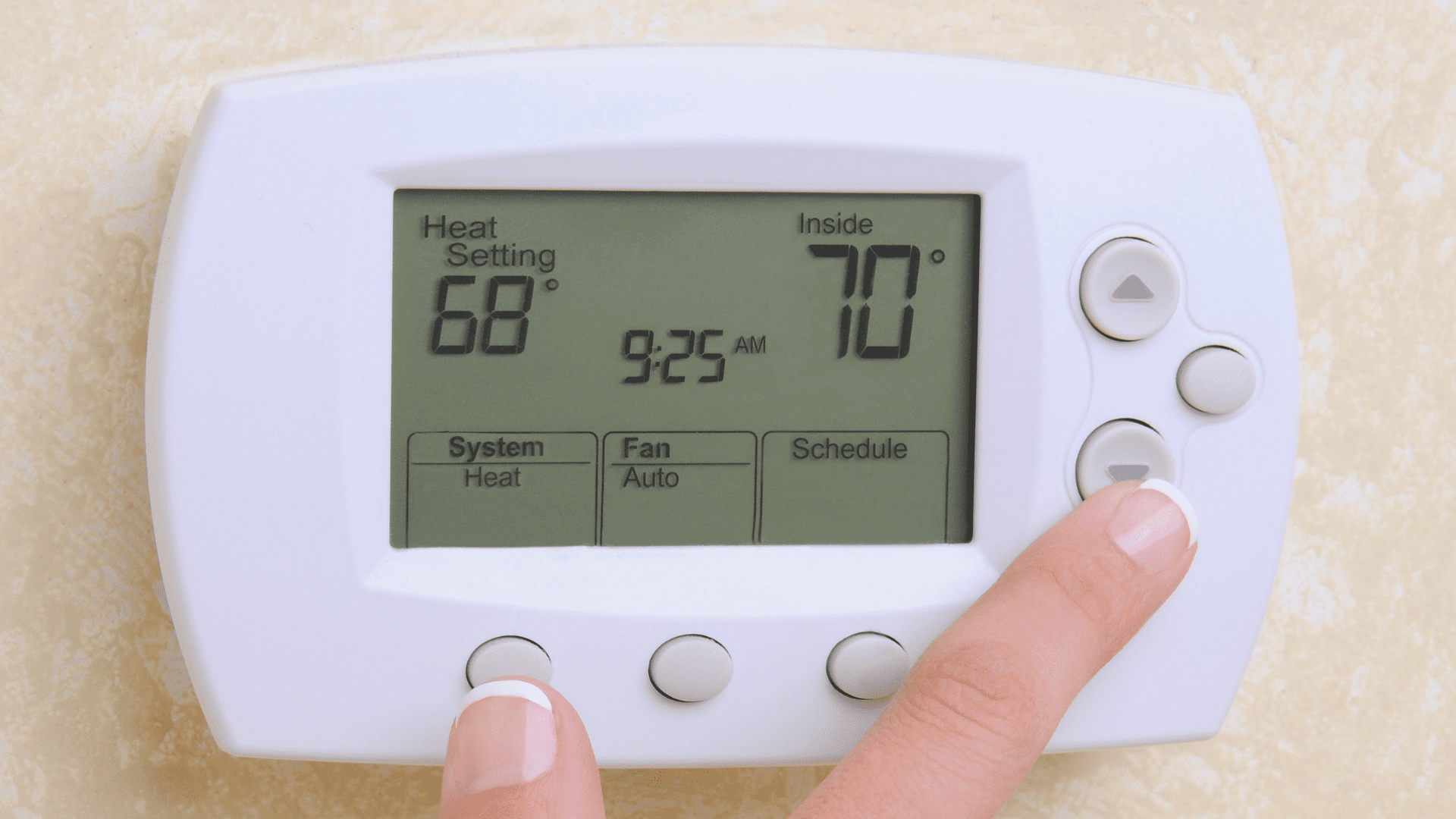
To avoid these issues, it’s best to leave your thermostat fan setting on either “Auto” or “Circulate” if applicable. In “Auto” mode, the fan operates only when the heating or cooling system is actively running. This helps to maintain consistent indoor comfort without unnecessarily increasing humidity levels.
“Circulate” mode, on the other hand, periodically runs the fan to circulate air throughout your home, promoting better air distribution without continuous operation. If you’re unsure which setting is right for your system, consider having a professional thermostat inspection to determine the best configuration for your Nashville home.
Ideal Humidity Levels
Understanding and controlling indoor humidity levels is crucial for maintaining a comfortable and healthy home environment. In Tennessee, ideal indoor Relative Humidity levels typically range between 40% and 60%. Levels above this range can lead to issues such as mold growth, musty odors, and discomfort, while levels below can cause dry skin, respiratory irritation, and static electricity buildup.
To ensure optimal comfort and indoor air quality, consider investing in a hygrometer to monitor humidity levels in your home. If humidity levels consistently exceed the recommended range, Parthenon can help implement additional measures such as using a dehumidifier or improving ventilation to mitigate excess moisture.
In conclusion, while it may be tempting to run your thermostat fan continuously, especially during humid Tennessee summers, doing so can lead to elevated indoor humidity levels and potential discomfort. By understanding how to use your thermostat’s fan setting effectively and maintaining optimal indoor humidity levels, you can enjoy a more comfortable and healthy living environment year-round.
If your home’s humidity levels aren’t improving even after adjusting your fan settings, a comprehensive HVAC system diagnostic can identify underlying issues with your cooling or ventilation system. Is your Nashville home struggling with humidity or comfort? Contact Parthenon today to speak with an HVAC expert about your specific situation.
Related Content: Should I Upgrade To A Smart Thermostat? | Which Smart Thermostat is Best?
Keep your Nashville home comfortable and humidity-free. Schedule an AC maintenance appointment with Parthenon Plumbing, Heating, & AC Repair today or call 615-298-2995.