UV-C lights sit inside your HVAC system and break down bacteria and viruses as air passes by. Every time you come home from being around other people, you bring airborne contaminants into your living space with you. Parthenon has handled indoor air quality since 2008, backed by more than 150 years of combined team experience.
The short answer: yes, a UV-C light is worth installing, and most systems take two.
Key Points
- UV-C is the shortest of the three UV wavelengths and the one used for disinfecting
- The rays damage genetic material, and bacteria and viruses cannot repair themselves
- UV-C lights must be installed where people and pets cannot be exposed to them
- Inside the HVAC system is the standard safe location
- Two lights are common: one at the air supply, one at the return intake
What Is Ultraviolet (UV) Light and How Do UV-C Lights Work?
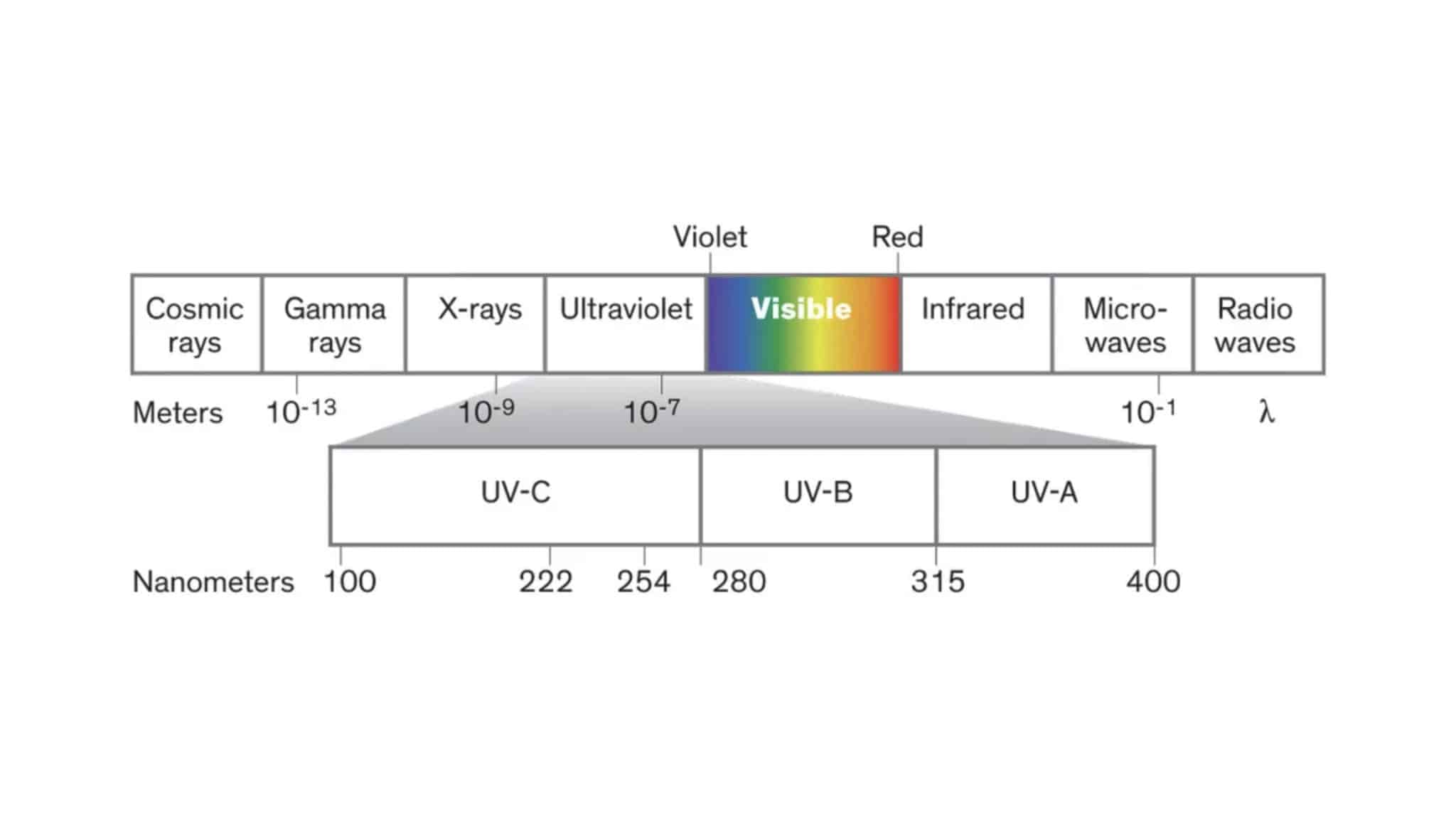
You might have heard of ultraviolet lights or rays when it comes to the sun and tanning. They are the rays that cause your skin to tan, or burn if you are exposed for too long. In the full light spectrum, they fall to the left of the visible light portion, next to the color violet.
There are three different types of UV light. UV-A and UV-B are what you will find in tanning beds and are the rays that make it through the atmosphere to give you that nice tan. UV-C rays are the shortest light waves out of the three, and most of them do not make it through the atmosphere.
UV disinfecting lights typically use UV-C rays because they are the most effective at decontaminating surfaces and the air. The UV messes up the DNA in any genetic material, and since bacteria and viruses lack any type of system to repair themselves as humans do, it renders them harmless after being exposed.
Filtration and air cleaning work together rather than in competition. The EPA guidance on home air cleaners and filters covers how in-duct devices fit alongside a good filter.
Where Are UV-C Lights Installed?
UV-C lights have to go where there is no potential exposure to humans or animals. The rays break down genetic material, and long exposure has negative effects on the body. That is why we recommend installing UV-C lights in your HVAC system.
You can get away with just one, but two UV-C lights are common. One goes in the AC unit where the air comes out, and one in the air intake where air returns to the system. This keeps your air fresh and clean, and it helps keep your ductwork cleaner as well.
Pairing UV-C lights with a UV air purifier installation covers both the supply and return sides of the system.
What Else Affects the Air Your System Circulates
A UV-C light works on what passes through it, so the rest of the system matters. A clogged filter or a dirty coil limits how much air reaches the light in the first place.
Regular AC maintenance and tune-up visits keep airflow where it needs to be. If your air quality has changed and you are not sure why, HVAC system diagnostics finds the cause rather than guessing at it. Dry winter air is a separate problem, and a whole home humidifier installation handles that side.
Ready to Add UV-C Lights to Your System?
Installing at least one UV-C light in your home HVAC system is a straightforward upgrade, and we handle the work at Parthenon Plumbing, Heating, & AC Repair.
Want to see how much difference they make in your house? Call 615.298.2995 or schedule your appointment today and we will look at your system, recommend one light or two, and quote the install before we start.