
Water softener installation gets blamed for problems that started with the plan, not the plumbing. Hard water is a fact of life in Middle Tennessee, and the Nashville area supply, Antioch included, carries elevated calcium and magnesium that mark everything they touch, from your pipes and appliances to your skin and laundry. Parthenon has worked in Antioch homes since 2008, backed by more than 150 years of combined team experience.
A water softener is one of the most effective fixes for hard water. Getting the installation right from the start is what decides whether it delivers for years or disappoints in months.
Key Points
- Test your water first, then choose the system to match it
- Correct sizing prevents both salt waste and bacteria growth
- The unit belongs on the main line, ahead of your water heater
- Budget for salt, supplies, and annual service, not just the unit
- Only a licensed plumber should tie into your main water line
1. What a Water Softener Actually Does to Hard Water
Before investing in any system, understand what you are buying. A water softener replaces the calcium and magnesium ions that cause hardness with sodium ions through a process called ion exchange. The result is water that is gentler on your plumbing, appliances, skin, and laundry.
Antioch homeowners who install softeners typically notice less scale on fixtures and inside appliances, longer appliance lifespans, softer skin and hair, brighter laundry, and lower soap and detergent use. The savings on appliance repair and replacement alone often justify the investment. The USGS water hardness overview explains why regional geology drives how hard your supply runs.
2. Test Your Water Before You Choose a System
Water quality varies from home to home, even inside the same neighborhood. Your specific hardness level, plus any other contaminants, should drive which softener you buy. Not the other way around.
A professional water test measures hardness accurately and identifies anything else that affects which system performs best in your home. Booking a whole home plumbing inspection gets that assessment done alongside a look at the rest of your system, so you start with real information rather than assumptions.
3. Which Water Softener Type Fits Your Household
Not all water softeners are the same. The right choice depends on your household’s size, water usage, and water quality profile.
- Salt-based ion exchange systems: The most common and most effective option for true hard water treatment. These use salt to regenerate the resin beads that capture hardness minerals.
- Salt-free conditioners: These do not remove hardness minerals but alter their structure so they are less likely to form scale. A good option for households with sodium concerns or lower hardness levels.
- Dual-tank systems: Built for larger households with high water demand, these supply soft water continuously with no downtime during regeneration.
- Whole-home systems: Treat hardness at the point of entry so every fixture and appliance benefits equally.
Our team evaluates your household’s needs before recommending anything, because the right fit matters more than the most popular option.
4. Why Correct Sizing Decides Everything
An undersized softener regenerates too often, wears out faster, and burns through salt. An oversized system regenerates too rarely, which lets bacteria grow in the resin tank. Correct sizing comes from your household’s daily water use and your supply’s hardness level.
This is the most common mistake in installations handled without professional guidance. Getting sizing right from the start protects the system and your investment.
5. Where the Softener Goes in Your Home
Placement matters for both performance and practicality. The unit goes on the main water line before water branches off to water heaters and other appliances, so the whole home gets treated water. The location also has to meet several practical requirements:
- Adequate floor space for the unit and its brine tank
- Proximity to a drain for backwash and regeneration discharge
- Access to an electrical outlet if the system needs power
- Enough clearance around the unit for maintenance and service
Basements, utility rooms, and garages are the most common spots in Antioch homes, but the right one depends on your layout.
6. Budget for the Unit and the Upkeep
A complete budget covers more than the equipment. Factor in all four:
- Equipment cost: Varies by system type, capacity, and brand.
- Professional installation: Gets the system connected correctly, sized appropriately, and code-compliant.
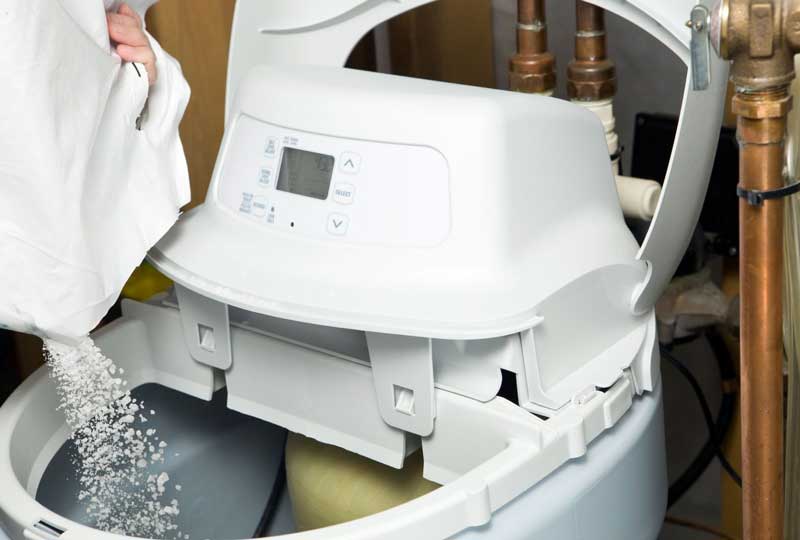
- Salt and maintenance supplies: Salt-based systems need regular salt, with frequency set by household size and water hardness.
- Annual professional service: A yearly check-up keeps the system efficient and catches issues early.
Honest pricing means you get the complete cost picture before any work begins. No surprises, no hidden fees.
7. Check That Your Installer Is Licensed and Insured
A water softener installation ties into your home’s main water line, which takes a licensed plumber to handle safely. An unlicensed job can void your warranty, create code violations, and cause leaks that cost far more to fix than the original install.
Verify that the company holds the right state license, carries liability insurance, and has a track record in Antioch, TN. Our water softener system installation is performed only by licensed technicians who stand behind their work, and every job runs through a licensed Antioch, TN plumber.
8. Ask What the Warranty Actually Covers
A strong warranty reflects confidence in both the product and the installation. Before committing, get clear answers to three questions:
- What does the manufacturer’s warranty cover, and for how long?
- Does the installer offer a labor warranty on the installation?
- What is the claim process if something goes wrong?
We back our work with a satisfaction guarantee and answer every warranty question straight, before the job begins.
9. How to Prep Your Home Before Installation Day
A little preparation makes installation day faster for everyone. Before your technician arrives, clear the area around the planned location, make sure the water main shutoff is accessible, confirm any required electrical outlets work, and keep pets in a separate part of the home.
Our team handles the technical work start to finish. A clear workspace lets us finish without unnecessary delays.
10. Keep the System Running With Professional Service
A softener that gets regular professional attention outlasts one that is set up and forgotten. A solid routine covers four things:
- Salt level monitoring: Check salt regularly and refill before the brine tank runs low.
- Resin bed inspection: The resin beads that drive ion exchange foul over time and may need cleaning or replacement.
- Brine tank cleaning: Periodic cleaning prevents salt bridges and mushing, which disrupt the regeneration cycle.
- Annual professional service visit: A full system check confirms everything works as designed and catches issues before they affect performance.
Our whole home water filtration and maintenance services keep your softener in peak condition year after year.
Plan Your Water Softener Installation With Parthenon
Doing this right means testing your water, choosing the right system, sizing it correctly, and working with a licensed professional from start to finish. Every one of those steps protects your investment.
Parthenon Plumbing, Heating, & AC Repair has served Middle Tennessee since 2008 with honest pricing, expert solutions, and unmatched care. “Service That Stands the Test of Time” is the commitment we bring to every Antioch home we work in. When you are ready for your water softener installation, contact our team today.