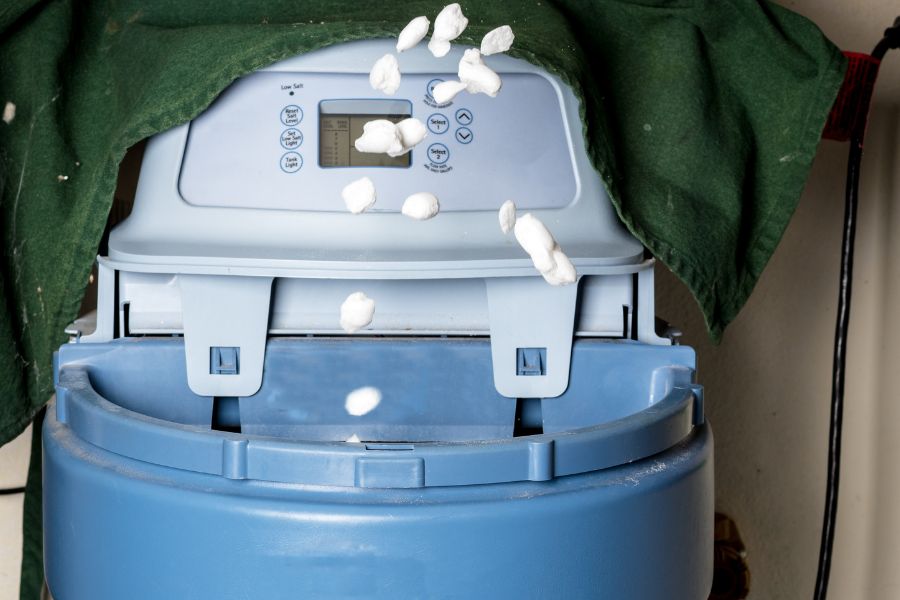
A water softener removes the calcium and magnesium that make Nashville water hard, which is why licensed plumbers recommend one so often here. Scale on your faucets, dull laundry, and skin that feels dry after a shower are not separate annoyances. They are the same mineral problem showing up in four places. Parthenon Plumbing, Heating, & AC Repair has worked in Green Hills homes since 2008.
Key Points
- Nashville water carries elevated calcium and magnesium, the minerals that define hard water.
- A water softener uses ion exchange to swap those hardness minerals for sodium ions.
- Four protective benefits: longer pipe life, more efficient water heating, better appliance performance, and less soap used.
- Softened water is gentler on skin and hair, which is usually the change households notice first.
- Sizing matters. A softener matched to your actual hardness level and household demand wastes less salt and performs better.
Why Is Hard Water a Problem in Nashville Homes?
Hard water is a problem because Nashville’s supply carries elevated calcium and magnesium, and those minerals deposit on every surface the water touches. They are harmless to drink and relentless on equipment.
Scale builds inside pipes, narrowing the flow passage and raising pressure across the system. The same buildup forms inside water heaters, where it insulates the heating element from the water it is supposed to heat. Dishwashers, washing machines, and coffee makers all wear faster on hard water.
The daily effects are easier to overlook. Soap and shampoo do not lather, so you use more of both. Laundry comes out duller and stiffer. Glasses develop a film. Shower doors collect soap scum that resists everything you throw at it.
Green Hills makes this visible. Homes along Hobbs Road and Abbott Martin Road range widely in age and plumbing condition, so hard water shows up differently house to house, but it shows up in all of them. Our Green Hills Nashville plumbers run a water quality assessment first so you know what your water actually contains before you spend anything.
How Does a Water Softener Protect Your Plumbing?
A water softener protects plumbing by removing hardness minerals before they reach your pipes. It does this through ion exchange, swapping calcium and magnesium ions for sodium ions across a resin bed. The water that leaves the unit moves through the house without depositing minerals along the way.
Four benefits follow from that, and they compound over the years you own the system.
- Longer pipe life: Without scale narrowing the interior walls, water flows freely and pressure stays consistent. Pipes last longer and need fewer repairs.
- More efficient water heating: Scale on a heating element forces the water heater to work harder for the same temperature. Softened water removes that load, which cuts energy use and extends the unit’s life. Our water heater repair team sees the difference constantly on units that never had softening protection.
- Better appliance performance: Dishwashers, washing machines, and anything else that heats or moves water runs more efficiently and lasts longer.
- Less soap and detergent: Softened water lathers properly, so you use less product for the same result. That adds up quietly, month after month.
What Do Homeowners Notice First?
The comfort change usually lands before the equipment benefits do. Softened water feels different in the shower from the first day.
Hard water strips natural oils from skin and leaves it dry and sometimes irritated. For Green Hills households managing sensitive skin, that is more than cosmetic. Softened water removes the irritant.
Hair washed in softened water feels softer and more manageable, because the mineral residue is gone. Clothes hold color and texture longer. None of these are dramatic on day one, and all of them compound across months and years.
Does a Water Softener Add Salt to Your Drinking Water?
This is the question we field most, and the short answer is no, not in the way people picture it.
A salt-based water softener uses salt to regenerate the resin bed, not to treat the water you drink. What ends up in the softened water is a small amount of sodium ions traded for the calcium and magnesium that were removed, not table salt. The amount tracks with how hard your water was to begin with: harder incoming water means more exchange.
If sodium is a concern in your household, there are two standard routes. A salt-free conditioner changes how the minerals behave rather than removing them, which suits lower hardness levels. Or you keep the softener for the whole house and add reverse osmosis at the kitchen tap, so drinking and cooking water is treated separately. A whole home water filtration setup pairs with a softener rather than competing with it.
The EPA’s secondary drinking water standards cover total dissolved solids and the other contaminants that affect taste, staining, and corrosion in your plumbing, which is useful background before you read your own test results.
How Do You Choose the Right Water Softener?
Not every water softener fits every home, and the selection matters as much as the installation. Here is what our team evaluates first.
- Water hardness level: Testing your specific supply gives an accurate hardness measurement, and that number drives everything else. A unit calibrated to your real hardness performs better and wastes less salt.
- Household size and demand: A system sized to your actual daily usage regenerates at the right frequency, neither too often nor too rarely.
- System type: Salt-based ion exchange is the most effective treatment for true hardness. Salt-free conditioners suit lower hardness or sodium-sensitive households. We explain the tradeoff plainly so the choice is yours.
- Efficiency rating: Units that waste less water and salt during regeneration cost less to run and are easier on the environment.
- Warranty and manufacturer support: A strong warranty reflects confidence in the product. We only recommend systems we stand behind.
What Does Installation and Maintenance Look Like?
A water softener is only as good as its installation. Every job starts with an assessment of your plumbing, your water quality, and the space available, and that happens before any equipment is selected or purchased.
On installation day our licensed technicians tie the system into your main water line to code, test it fully before calling the job done, and walk you through how it runs and what it needs. You will not be handed a manual and left to it.
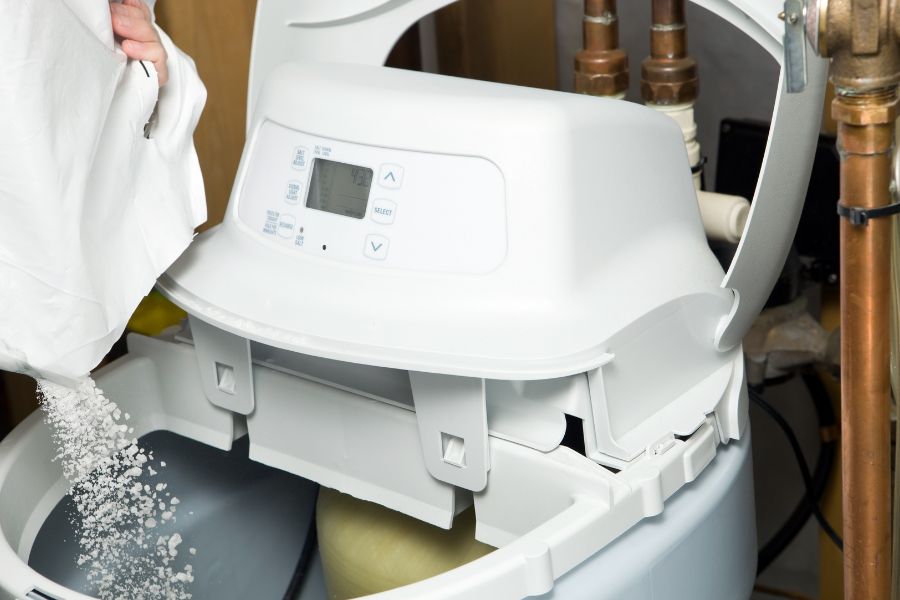
Ongoing care means monitoring salt levels, inspecting the resin bed, cleaning the brine tank, and an annual service visit. Our water softener system installation service is built around how the system performs in year five, not just on day one.
Green Hills Homes Flow Better With Parthenon
Hard water is solvable, and a water softener pays for itself through lower utility bills, fewer appliance repairs, longer plumbing life, and a noticeably better daily experience. Parthenon Plumbing, Heating, & AC Repair has served Middle Tennessee since 2008 with honest pricing and upfront quotes. To find out how hard your water is and what a softener would cost for your home, contact our team today.